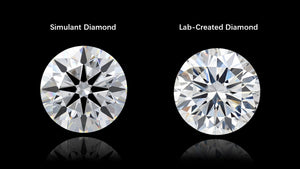

Let’s talk about lab grown diamonds—those dazzling gems created in a high-tech lab instead of mined from the far reaches of the earth. Believe it or not, these sparkling beauties actually do test as real diamonds. Yep, you heard that right! Thanks to their carbon structure being virtually identical to their earth-dug cousins, they pull off their role with impressive authenticity.
But before we dig into the details of how they pass the diamond tester, let's first understand what a diamond tester actually is.
What Is a Diamond Tester and How Does It Work?
A diamond tester is a small, handheld device that helps determine whether a stone is a real diamond or an imitation. It works by measuring how heat or electricity moves through the gemstone. Most testers use thermal conductivity because diamonds disperse heat in a unique way compared to other materials. When you touch the probe to the stone, the tester quickly assesses how fast heat travels through it and gives a reading.
Some advanced testers also test for electrical conductivity, which can be useful for identifying stones like moissanite that can sometimes trick thermal testers.
Do Lab Grown Diamonds Pass a Diamond Tester?
Yes, absolutely! Lab grown diamonds pass a diamond tester because they have the exact same physical properties and chemical composition as mined diamonds. When a tester gauges the movement of heat or electricity through the stone, a lab grown diamond will register as "diamond" just like a mined one.
If you place a lab created diamond on a standard thermal conductivity tester, it will verify that the stone is real. This can give buyers peace of mind that they aren't getting a simulant like cubic zirconia or moissanite.
What Makes Lab Grown Diamonds ‘Real’ Diamonds?
Lab grown diamonds are considered real diamonds because they are chemically, physically, and optically the same as mined diamonds. They are made of pure carbon atoms that are arranged in a crystal structure known as a cubic lattice. The lattice formation is responsible for diamonds being one of the hardest materials on earth and their brilliance and sparkle.
Unlike simulants such as cubic zirconia, or moissanite which are look-alikes, lab diamonds are not imitators. Lab diamonds are real diamonds created above ground with advanced methods such as High Pressure High Temperature (HPHT) or Chemical Vapor Deposition (CVD). Even gemologists has to utilize specialized equipment to then differentiate lab diamonds from mined diamonds under a microscope. Because lab diamonds have the same composition to mined diamonds, they are graded and certified by reputable laboratories, including GIA and IGI, in the same manner.

Can a Jeweler Tell If a Diamond Is Lab Created ?
In most cases, an experienced jeweler cannot tell whether a diamond is lab grown just by looking at it with the naked eye or using a standard loupe. Because lab grown diamonds are chemically and physically identical to mined diamonds, they appear the same under normal inspection.
To reliably identify a lab grown diamond, jewelers use advanced tools and laboratory equipment. Techniques like UV fluorescence, spectroscopy, and specialized instruments can detect subtle growth patterns or trace elements unique to lab production. Lab-made diamonds that are sold through a reputable jeweler should also be laser inscribed with a certificate number on the girdle that provides the proof of their origin. If you want complete confidence, it’s always best to ask for an independent grading report from a trusted laboratory like IGI.
Lab Grown Diamonds vs. Moissanite: How They Perform on a Tester
Moissanite is one of the most popular diamond alternatives, but it is not the same as a lab grown diamond. So you might be wondering, what’s the difference between lab diamonds and moissanite. While lab grown diamonds are real diamonds, moissanite is a different gemstone made of silicon carbide. It looks similar to diamond but has different optical and physical properties.
In regards to testing, moissanite will occasionally fool simple diamond testers, especially ones that only utilize thermal conductivity. If you consider that moissanite is a good conductor of heat it is possible for some testers to give you a false positive. However, advanced testers that measure both thermal and electrical conductivity can easily distinguish moissanite from diamond. Lab grown diamonds will always test as diamonds because their conductivity matches that of natural diamonds exactly.
Can a Diamond Tester Tell Lab Grown from Natural Diamonds?
A standard diamond tester cannot tell the difference between a lab grown diamond and a natural mined diamond. That’s because these devices measure conductivity—either thermal or electrical—which is identical in both types of diamonds. When you test a lab created diamond it will register as "diamond" the same as the mined stone would.
To determine if a diamond was grown in a lab or formed underground, gemologists must rely on specialized equipment and laboratory analysis using techniques such as spectroscopy, enhanced magnification, phosphorescence testing which can potentially show microscopic growth patterns or trace elements indicating lab production and, therefore the importance of independent certification from reputable labs like IGI or GIA if you want to know the original source of your diamonds.
How Certifications Help Identify Lab Grown Diamonds
Despite all the fancy technology and sophisticated tests, nothing can replace the good old professional expertise. So that’s why certification is still the most reliable way to confirm whether a diamond is lab grown or mined. Reputable gemological laboratories like the International Gemological Institute (IGI) and the Gemological Institute of America (GIA) issue detailed grading reports that clearly state a diamond’s origin.
These reports not only provide information on the diamond’s 4Cs (cut, color, clarity, and carat weight), they also make a specific note of whether the stone was created in a lab. Many lab diamonds also have a laser inscription on the girdle that matches the certificate number. This ensures full transparency and making sure that you know exactly what you’re buying. So always ask for certification when shopping for a diamond to verify both its quality and its origin.

Discover Lab Grown Diamonds You Can Trust at Lucenjuri
At Lucenjuri, we're all about being open and honest with our customers. That’s why every one of our lab grown diamonds is carefully selected and independently certified to ensure exceptional quality and transparency. Our collection includes timeless engagement rings, elegant earrings, and classic necklaces—all crafted with lab grown diamonds that are graded by respected laboratories like IGI.
When you choose a Lucenjuri diamond, you can feel confident you’re investing in a piece that’s as authentic as it is beautiful. Come, explore our stunning collections today and discover jewelry you’ll love for a lifetime, backed by certification and our commitment to sustainable luxury.