
Oval Diamond Engagement Rings
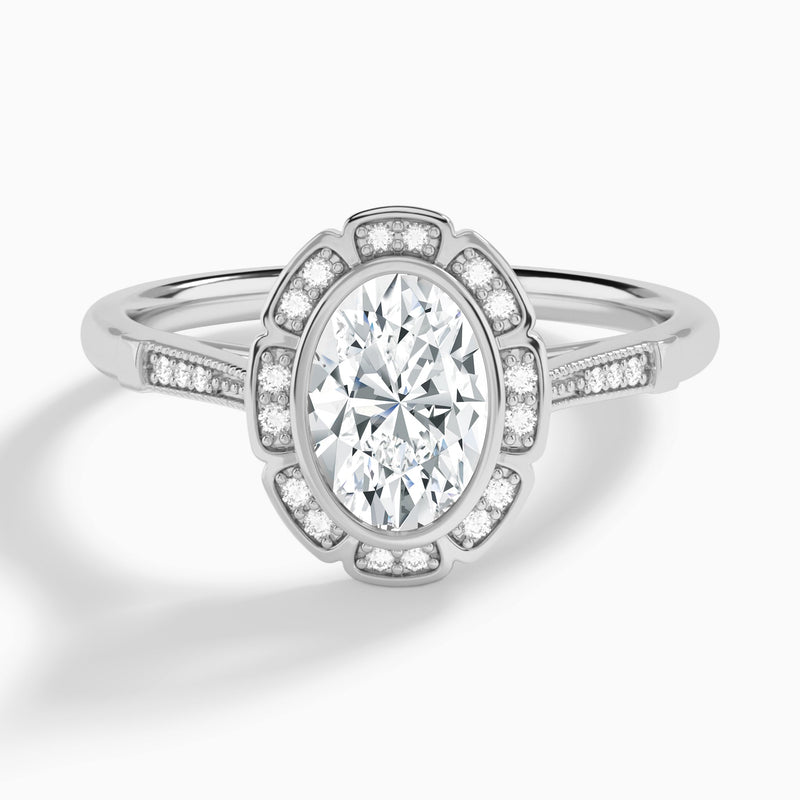
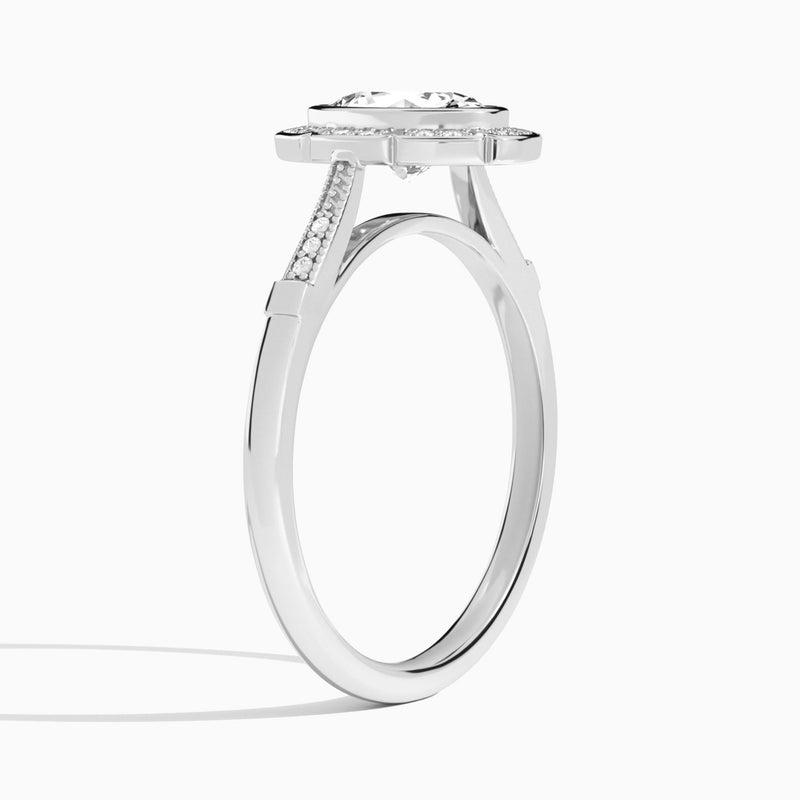
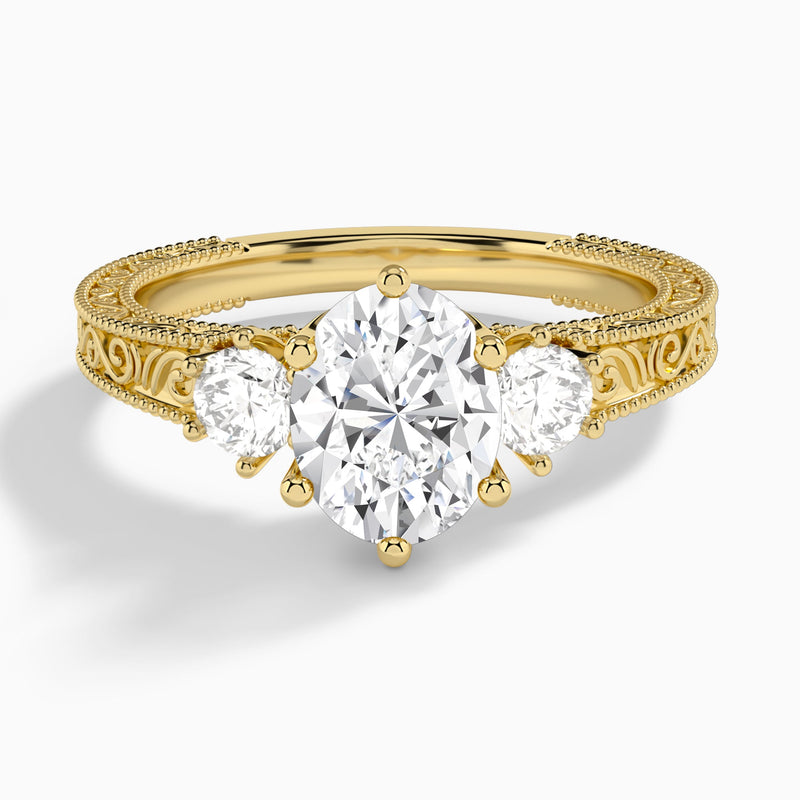
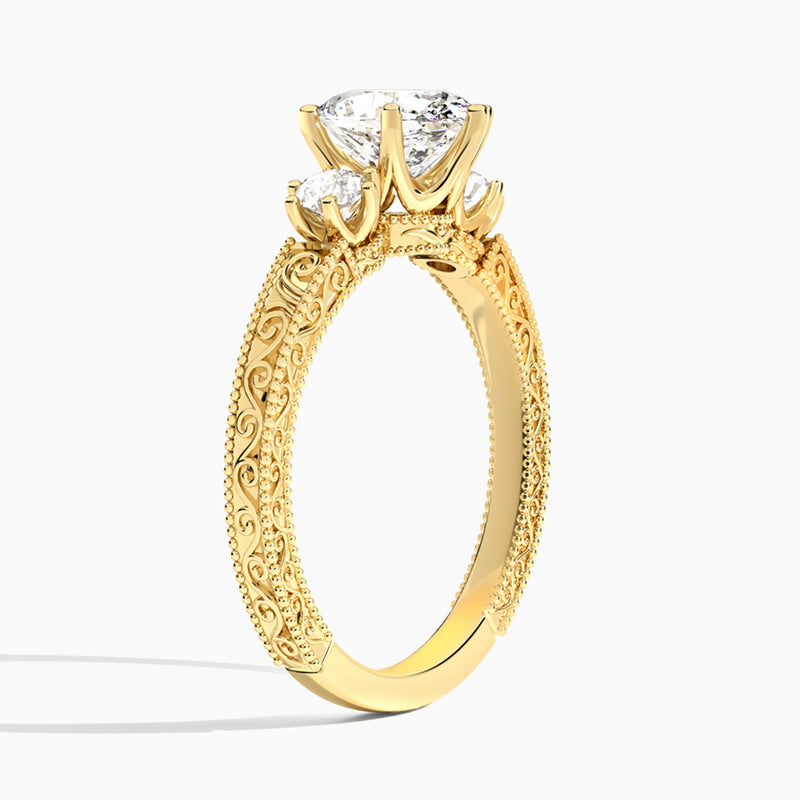
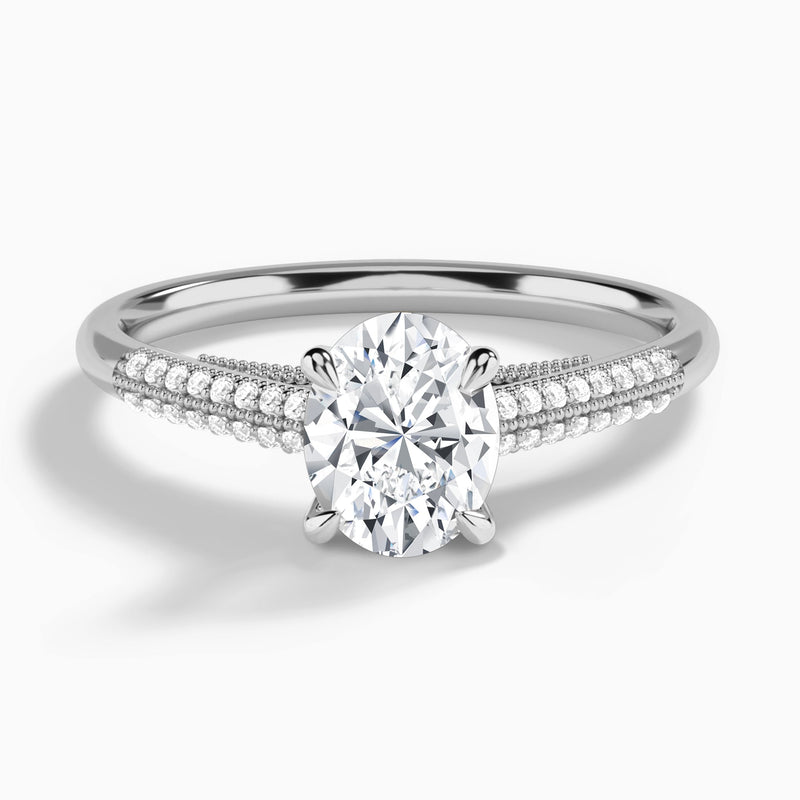
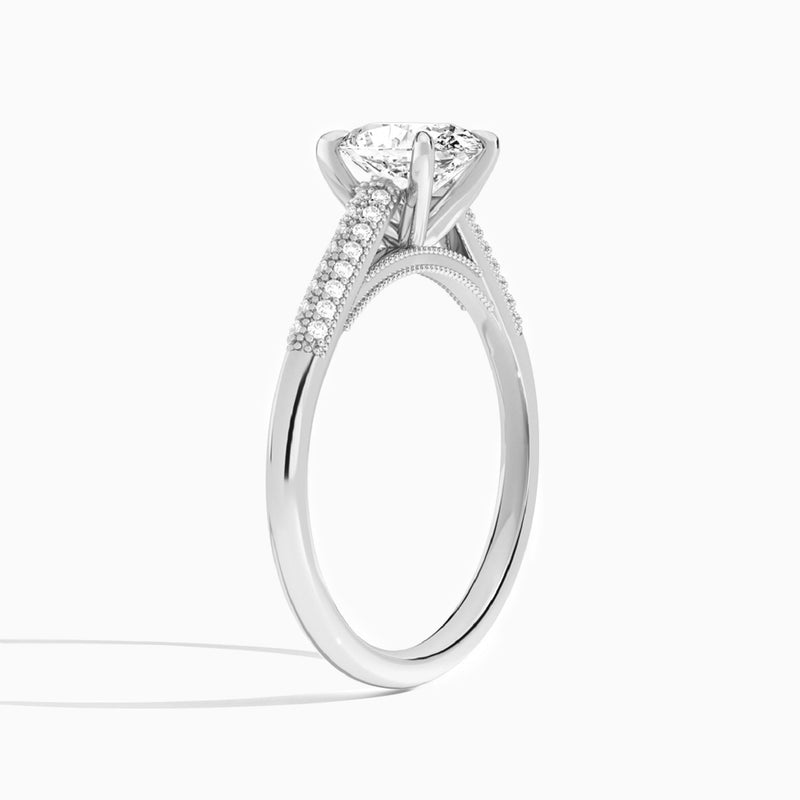
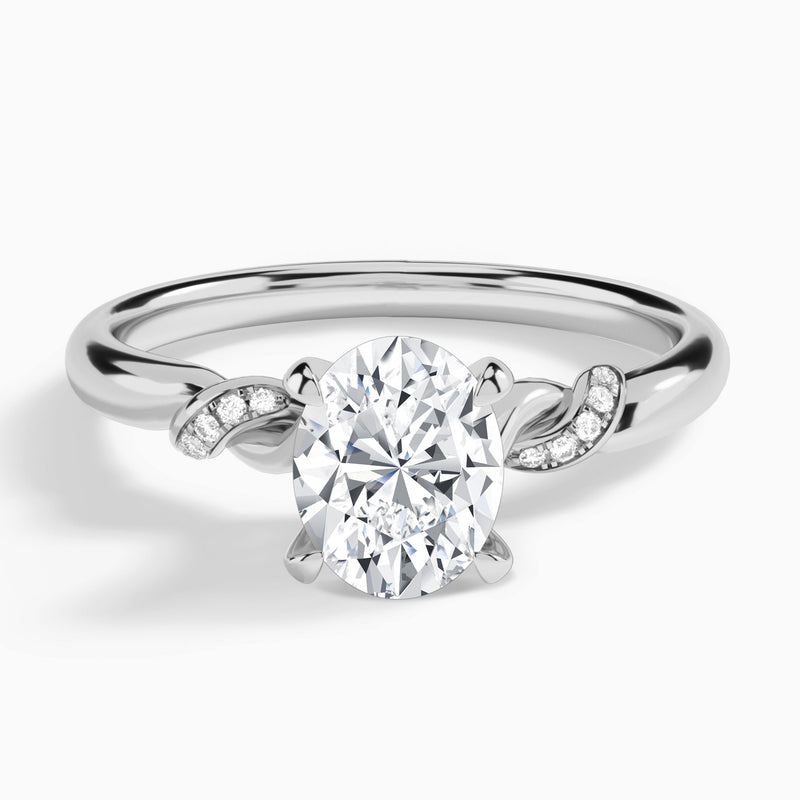
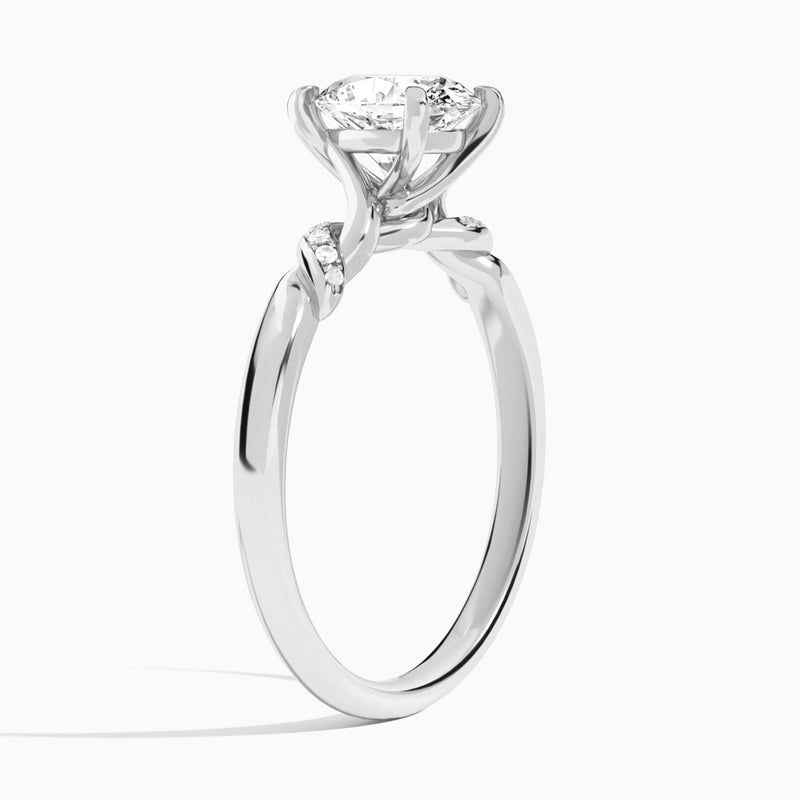
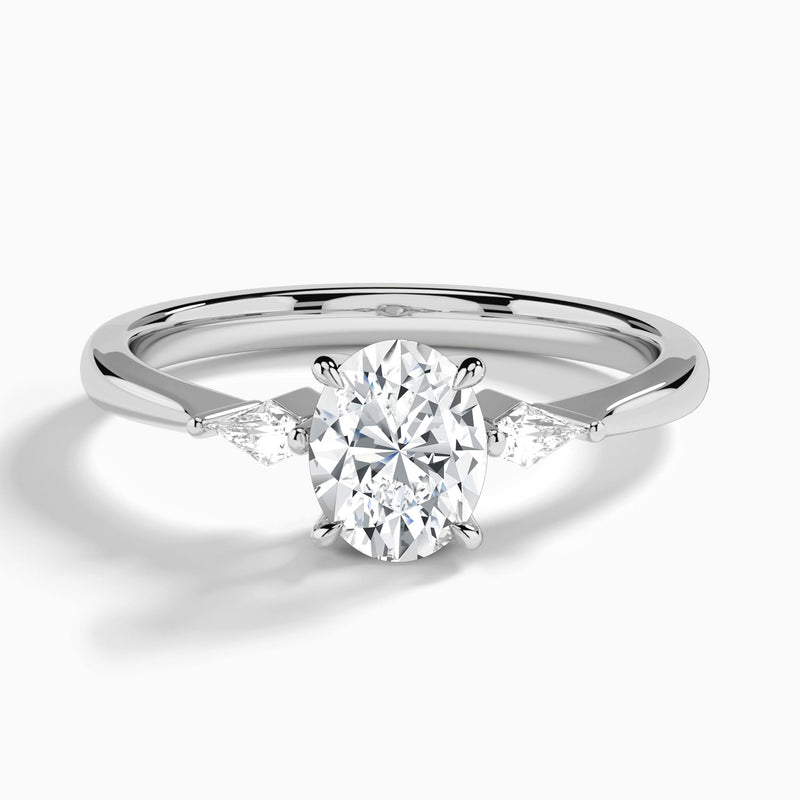
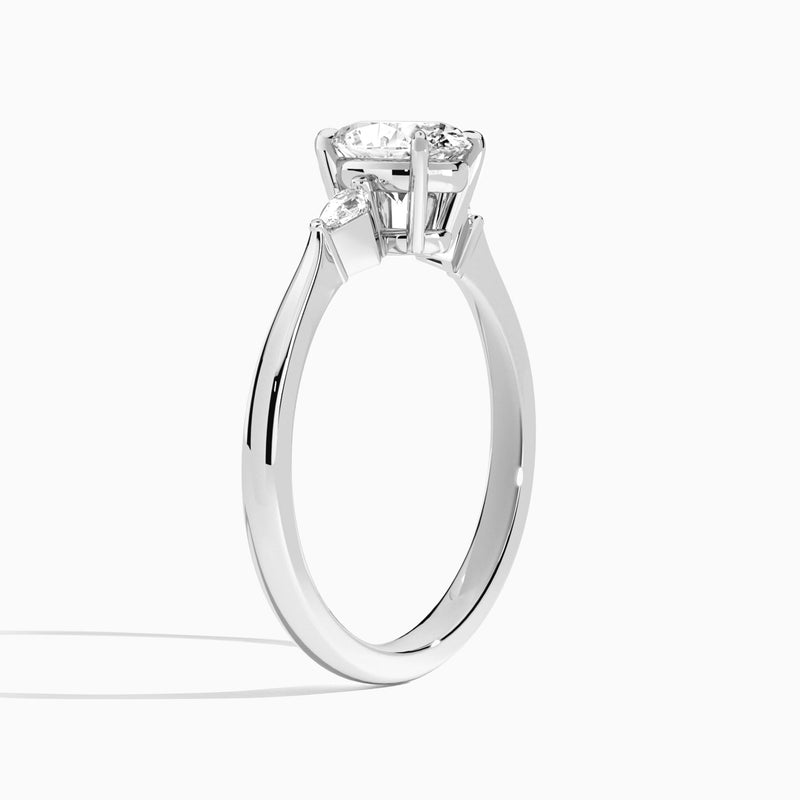
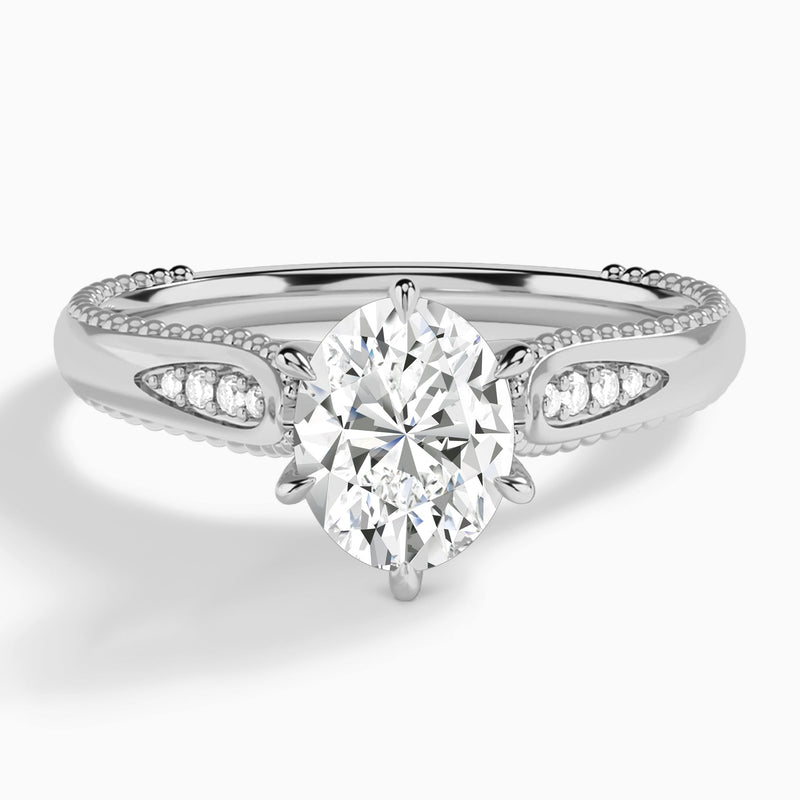
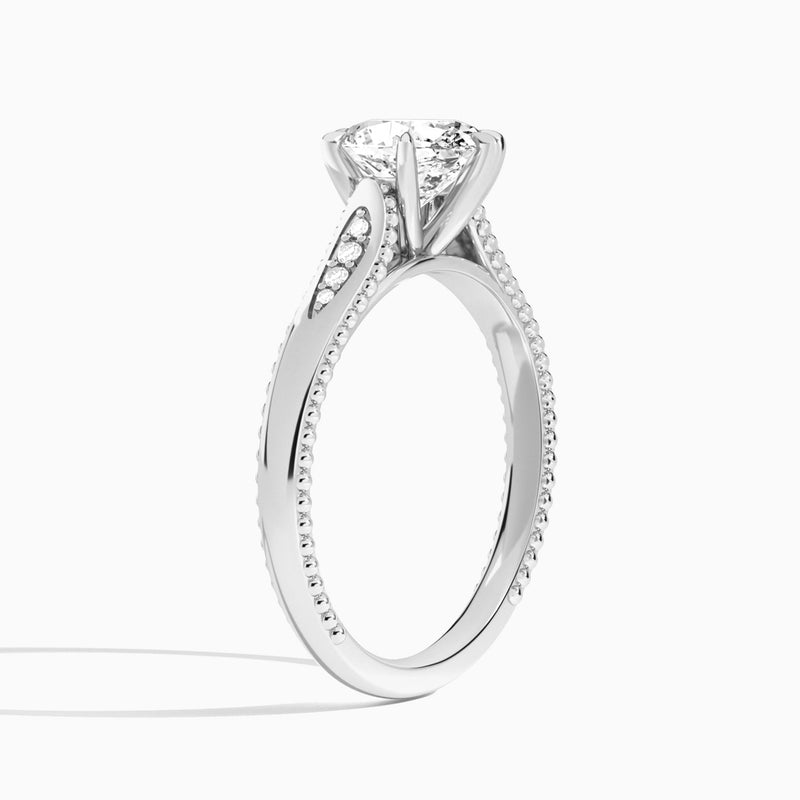
Celebrate graceful elegance with oval diamond engagement rings. Their elongated shape maximizes brilliance and creates a flattering, sophisticated look.










Customer Reviews
Hear why our customers love Lucenjuri
Lab Grown Oval Cut Diamond Engagement Rings
If you absolutely love the high-brilliance sparkle of a traditional round diamond but want a look with a bit more edge and personality, the oval cut is unmatched. Oval diamond engagement rings have become a massive favorite for anyone wanting to bridge the gap between classic heritage and modern style. Because of its elongated shape, an oval diamond offers an incredibly flattering, lengthening effect on the finger while bringing a serious amount of fire and brilliance to the table.
Why Choose Oval Lab Diamond Engagement Rings?
Choosing a lab oval diamond is honestly one of the smartest design moves you can make. Let's look at it through a realistic lens: because lab grown diamonds are real diamonds—chemically, physically, and optically identical to mined stones—they deliver that exact same blinding optical fire while completely bypassing the environmental footprint of traditional mining.
From a pure design perspective, oval cuts possess a fantastic superpower: they naturally look much larger than they actually are. Because of their elongated shape and shallower depth, they carry more of their carat weight right on the surface (the "table") of the stone. When you pair that natural visual advantage with the incredible value of a lab grown diamond, your budget goes incredibly far. You can easily opt for a show-stopping, high-carat centerpiece or channel your savings into custom details like a delicate hidden halo or an intricate, hand-sculpted band.
The Unique Symbolism of Oval Diamond Engagement Rings
Beyond its sleek appearance, the oval cut carries a beautiful, expressive meaning that sets it apart from traditional shapes.
- Individuality and Creativity: Because the oval is a twist on the classic round brilliant, it represents a spirit of individuality, creativity, and stepping slightly outside the lines. It’s the perfect fit for someone who honors tradition but loves to express their own unique, personal style.
- New Horizons: The oval shape represents continuity, new beginnings, and a shared future. Its unbroken curve stands for an infinite path of growth, making it a gorgeous metaphor for a couple embarking on a new chapter of life together.
Oval Diamonds vs. Other Engagement Ring Shapes
To see if an oval matches your design personality, it helps to look at how it compares to other popular silhouettes:
- Oval: Delivers a high-brilliance look similar to a round diamond, but with an elongated shape that slims the finger and offers a modern, elegant edge.
- Round: The traditional benchmark for maximum sparkle, offering a symmetrical, classic appearance.
- Marquise: A much more dramatic, eye-shaped elongated cut with sharp, pointed ends, giving off a bold, vintage-vanguard vibe.
- Pear: A beautiful tear-drop silhouette that combines the rounded bottom of an oval with the pointed tip of a marquise for an artistic, asymmetrical look.
Selecting Your Ideal Lab-Created Oval Diamond Ring at Lucenjuri
Ovals are highly specialized cuts, so you want to look at the 4Cs through a strategic design lens to ensure you get a stunning, well-proportioned stone:
- Watch the Length-to-Width Ratio: This dictates the actual personality of your oval. A classic oval ratio is typically between 1.35 and 1.50. If you love a wider, more pillowy look, lean toward 1.30; if you want a sleek, ultra-elongated silhouette that maximizes the slimming effect on your finger, aim for 1.50 or higher.
- Mind the "Bow-Tie" Effect: Because of how oval facets are cut, almost all ovals have a natural shadow across the center that looks like a tiny bow-tie. You want to select a stone where this shadow is faint and beautifully blended, rather than dark and distracting.
- Diamond Color: Stick to the colorless or near-colorless range (D to G is ideal, though you can look up to J). Ovals tend to hold onto color slightly more in their pointed tips than a round diamond does, so keeping it on the higher side ensures an icy, crisp look.
- Diamond Clarity: Aim for VS2 or higher. Ovals are incredibly forgiving when it comes to hiding tiny natural imperfections, so you can easily find an "eye-clean" stone without paying a massive premium for flawless clarity.
- The Metal: Let your personal style guide you. Platinum and white gold emphasize the stone's icy fire, while rich yellow gold or rose gold prongs can add an ultra-chic, warm contrast that makes the oval pop beautifully.
Seamless Wedding Band Pairings
Because oval diamonds are elongated, they interact beautifully with different wedding band structures to create a stunning daily stack:
- The East-West or High-Set Band: If your oval engagement ring is set high off the finger (a cathedral style), a classic straight diamond eternity band can slide right underneath it for a completely flush, seamless stack.
- The Contoured or Curved Band: If your oval sits low to the hand, a beautiful curved or chevron band will gently dip down to cradle the bottom curve of the oval, creating an organic, framed look.
- The Open Band: A highly contemporary choice where a slight gap in the front of the wedding band perfectly showcases the elongated point of your oval stone without hitting the metal.
Find Your Perfect Oval Diamond Engagement Ring
Choosing an oval lab grown diamond engagement ring allows you to honor the brilliant fire of a classic diamond while stepping into a silhouette that feels modern, flattering, and distinctively yours. It’s a thoughtful blend of ethical technology, design-forward aesthetics, and deep personal meaning—perfectly balanced for a lifetime of wear.
FAQs
What is a lab grown engagement ring?
A lab grown diamond engagement ring has a diamond that is grown under controlled conditions and not mined from the Earth. Lab grown diamonds display the very same chemical, physical, and optical properties as mined diamonds. However, they represent a more environmentally friendly and socially responsible alternative to natural diamonds. By choosing lab grown diamonds, you're not only getting exceptional beauty but also actively working to make the world a little greener.
Can I customize the proportions of my oval engagement ring?
Absolutely! Ovals are highly individual because their length-to-width ratios vary so much. You can customize your look based on your hand structure: choose a lower ratio (around 1.30) if you love a softer, wider, more voluptuous silhouette, or aim for a higher ratio (1.45+) if you want an ultra-sleek, slender look. You can even customize the orientation, flipping it horizontally into an East-West setting for a totally modern spin.
Why do oval diamonds look so much larger than round ones?
An oval diamond is the ultimate master of visual illusion. Because of its elongated cut, it spreads its carat weight out across a much larger top surface area rather than hiding it in a deep belly underneath the stone. This means a 2-carat oval will look significantly larger to the naked eye than a 2-carat round diamond of the exact same weight, while giving you that gorgeous, built-in benefit of visually stretching and slimming your finger.
What is the "bow-tie" in oval cuts, and how do we handle it?
Because of how ovals are faceted, every single one will show a dark shadow across its center that looks like a bow-tie. It's a natural part of the stone's anatomy, so you’ll never eliminate it completely. The secret is finding a masterfully cut diamond where the shadow blends beautifully into the surrounding facets. You want a subtle depth of contrast, not a stark black hole that dulls the diamond's overall fire.
How do I choose the right metal color for an oval setting?
It completely depends on the look you want and the color grade of your stone. Platinum and White Gold deliver an icy, high-fashion finish, but because ovals naturally cluster body color at their rounded tips, you’ll want to stick to a higher D to F range to keep it looking crisp. If you prefer the warm, romantic glow of Yellow or Rose Gold, you can safely drop to an G or H color—the warmth of the metal masks the tint perfectly anyway.